Five Quality Control Checks Every Water Purifier Should Pass
By Hongyuancheng Editorial Team · August 23, 2026
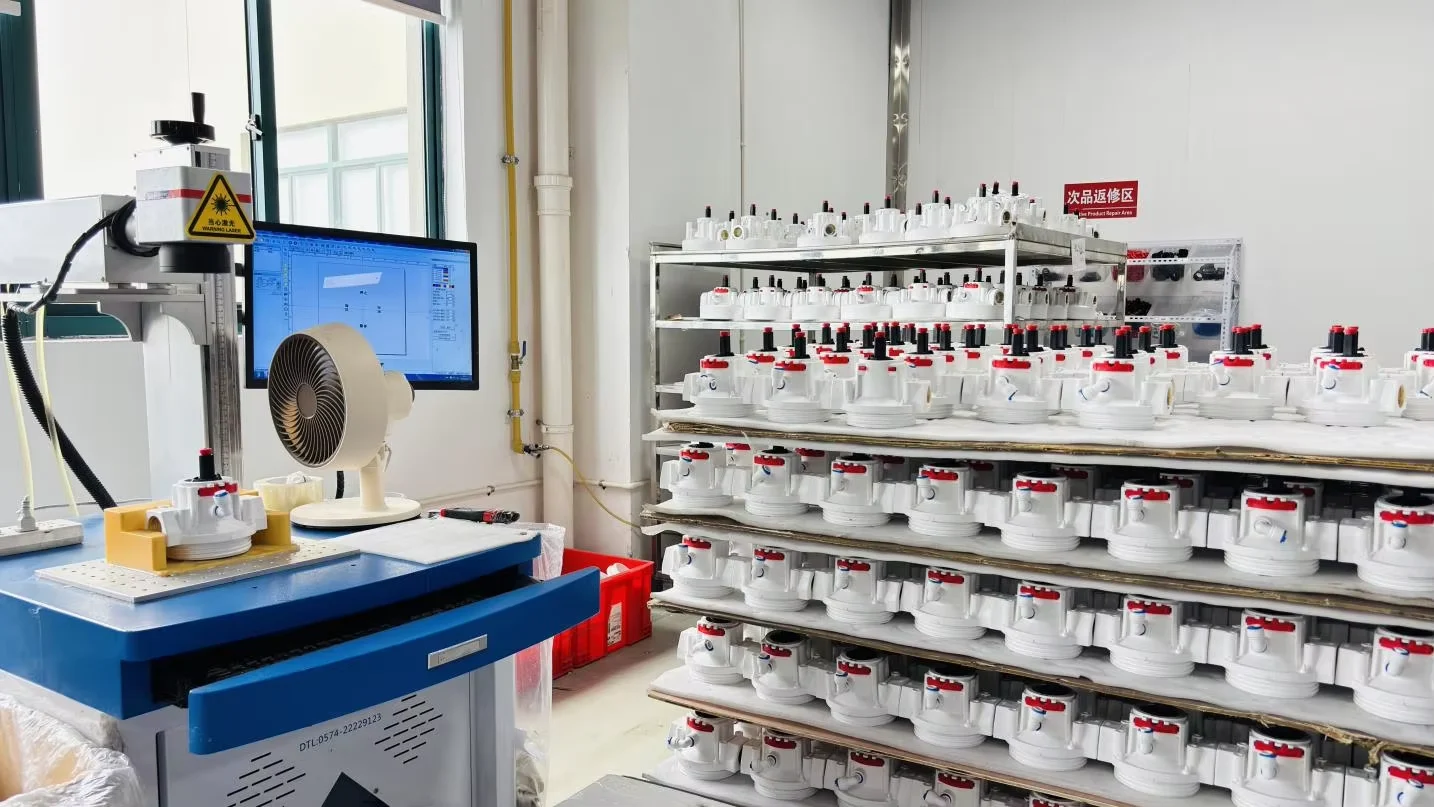
Quality control should be designed around product risk. Although every model has its own specification, five inspection areas form a practical baseline for purifier projects.
1. Material and component verification
Critical parts must match approved samples, drawings and bills of materials. Identification prevents unapproved substitutions and helps trace any later issue.
2. Assembly and connection inspection
Tubing insertion, fittings, seals, wiring and fasteners need defined acceptance criteria. In-process inspection is more effective than trying to detect every hidden connection at the end.
3. Pressure and leakage testing
The water circuit should be tested under controlled conditions appropriate to the product. The test method, duration and acceptance criteria must be documented.
4. Functional performance
Flow, pump behavior, sensors, indicators, flushing cycles and other model-specific functions should operate as intended. Relevant filtration performance requires validated test methods.
5. Final appearance and packing
The unit, accessories, labels, manuals and carton markings should match the approved order. A release record links the finished shipment to its inspection result.
Next step
Agree on the quality checklist before mass production and use a golden sample to align expectations. This reduces disputes and makes pre-shipment approval faster.